• Skip to primary navigation
  • Skip to main content
  • Skip to primary sidebar
  • Skip to footer

The Nourishing Gourmet

Nourishing. Satisfying. Gourmet.

  • About
    • Privacy
    • Contact
  • Recipes
  • Cookbooks
    • Everyday Nourishing Food
    • Salad Cookbook
    • Soup Cookbook

Uncategorized

What Worked and What Didn’t in My Cooking Life Last Year

January 14, 2025 by KimiHarris 2 Comments

Picture of a bowl of food with the text, what worked in my cooking lilfe and what didn't in 2024

Making dinner is my happy place most nights. I love the therapeutic rhythm of chopping vegetables, and the sizzle of searing meat. But just because my work in the kitchen touches my love of creativity and good food, doesn’t mean that it’s not worth examining to see what went smoothly, and what did not work well. Once examined, I can better plan for 2025. 

I have some goals for this next year and those goals will be reflected here at The Nourishing Gourmet. I will continue to concentrate on a nourishing real food diet for the entire family, but one that meets my specific needs as well as my family’s differing needs (more on that below). I have to keep an eye on our food budget with rising food costs, and making easy and quick dinners for busy weeknights is a must, too. 

With that in mind, here is what worked and what didn’t last year for us. 

What didn’t work: 

Food costs killed our budget 

My husband sat down last year to figure out exactly how much we were spending on our food and I was shocked at how much more we are spending than we ever have in the past. While granted, our kids are now older, and thus maybe eating a little more, the vast majority of the increase in our food budget is from rising food costs. While rising food costs are outside our control, I realized the need to be more creative in cutting down on our food costs. This year, I’ll definitely be looking to continue to shave off what food costs we can while still eating well. 

I had to acknowledge needing a limited (healing) diet for myself 

Philosophically, I don’t hold that a more limited diet is a better diet. In fact, I think that the healthier you are, the more widely you can enjoy various foods. Sadly, my body became re-inflamed after mold exposure. (I am highly sensitive to mold after getting mold sick years ago. Subscribe to my email list if you would like to be notified of a short email series on my journey battling mold illness that will be released soon.) Long story short, I finally had to acknowledge how much better I now feel if I stick to a healing, but limited diet. I don’t think I will need to be on such a limited diet forever, but for now, it’s part of my healing protocol. 

What did work:

Teamwork with my husband 

While my husband will never love cooking as much as I do, he’s always helped carry the load in the kitchen, and that’s been a lifesaver during a very busy year for us. We will continue sharing the load (sometimes both of us working together on a meal, sometimes taking turns cooking). 

Cooking my healing diet, while also cooking a wide variety of foods for my family

I continued to hone my skill of making meals that meet my needs for a high protein, high produce paleo-ish diet, while also, without making a second meal, meeting my family’s need for grains and higher carbohydrates. This worked well overall for us. I found that cooking for my needs helped ensure that my family was also getting plenty of vegetables and good-for-them food, which is great! I also got even better at figuring out what types of meals work well for all of our needs to be met. 

Rediscovering my love of sourdough 

Ironically, the year that I had to go back to a more paleo-ish diet for myself was also the year that I fell in love with baking sourdough again. I used to make sourdough weekly before I had to go gluten-free. For a while I made gluten-free sourdough as well (which is great, but not as easy to work with as regular bread). With only two in our family gluten-free, we were spending too much buying organic bread at the store (we try to eat organic wheat products as much as possible). It was a busy year, and one in which I wasn’t trying to give myself more work in the kitchen, but I thought I would give it a go. I very quickly found my pace again in baking bread. I am saving a lot of money by baking our bread, it tastes better, and we’ve cut out snacky store-bought food and now generally concentrate on fruit and sourdough bread for snacks in the house (healthier and cheaper). It’s been a huge win! 

I got so inspired, that when our family was cast in a local theater production of A Christmas Carol last month, I ended up baking Cardamon Cinnamon Loaves for everyone on the cast, and then later that week, baked loaves for everyone on my husband’s worship team for the Christmas Eve service at our church. After baking over 50 loaves in a week, I still managed to retain my love of baking sourdough! 

My Goals for this Year: 

  • Continue a healing diet for myself, and a nourishing diet for the family. 
  • Continue to be creative in cutting down food costs where possible without cutting down quality. 
  • Continue making sourdough for the family. 
  • Enjoy good food with my growing family, remembering that these years are precious. 

I’m looking forward to bringing more recipes and what works for us techniques to all of you here on the website! 

Filed Under: Uncategorized

Luxurious DIY Lip Balm

November 30, 2024 by KimiHarris 2 Comments

Picture of lip balms in small containers.

Did you know you can easily make luxurious lip balm with just a few ingredients? This recipe uses: extra virgin olive oil, coconut oil, and beeswax. You can also, optionally, add essential oils (just make sure you use an appropriate oil for lip care). 

These lip nourishing balms were just what I needed this winter. The dry weather had them completely cracked, but the nourishing oils and protective beeswax soon helped them heal. 

Years ago, I made this recipe and gave them out as gifts (they make excellent gifts!) – a friend brought hers snowboarding and she told me later that it was the only lip balm in her group that could withstand the harsh weather, and soon everyone was stealing hers. 

You can also choose to experiment with the oils and fats used in this recipe. For example, you can try sweet almond oil, shea butter or mango butter instead of olive oil. 

The wonderful thing about DIY lip balms is that they are easily adaptable to preferences as well as weather. Since I live in a cold climate in the winter, I do scant tablespoons of beeswax, as the cold will already harden the coconut oil. However, if you live in a really warm climate, you may want to add a small amount of extra beeswax to keep it nice and hard even when it’s very hot. 

Beeswax not only helps your lip balm stay solid, but it also plays an important role in sealing moisture in your skin or lips, and helps prevent them from drying out. Think of it as creating a barrier between the dry weather and harsh elements and your skin. It will also help give your lips a lasting gloss. 

Coconut oil and olive oil have both played important historical roles in skin care, and both have unique properties. You can read more at the following links about the benefits for your skin of using olive oil and coconut oil.

Some considerations when working with beeswax: 

You can grate your own beeswax or buy pellets. I used local beeswax for this recipe so I grated it myself. 

I do find it difficult to clean off graters and containers used to melt beeswax, so we now have a grater and melting containers set aside just for working with beeswax. We just use a cheap grater, and for this recipe, I use a small, heat-safe mason jar to melt the lip balm mixture.

Containers for lip balm:

  • I used these ones.
  • 1/2 ounce metal Containers
  • Metal Slide Containers
  • Lip Balm Container Tubes with Fill tray

Luxurious DIY Lip Balm 

Printable PDF

This recipe made about 7-8 lip balms using the containers I had, but how many you get will depend on how big of a container you are using. Note: This recipe is simple to cut down to a smaller amount, or to expand to make more. Just keep the ratios the same.

  • 2 tablespoons extra virign olive oil 
  • 2 tablespoons coconut oil 
  • 2 tablespoons 100% pure beeswax or pellets
  • 6-10 drops of EO of choice (lavender, peppermint, Love Vanilla Blend), Optional

In a heat-safe mason jar, put the oils and beeswax. Put in a small pan filled halfway with cold water, and place on stove. Bring to a slow heat over medium, stirring occasionally with a metal fork, until everything is just melted. Turn off heat. Add essential oils, if desired, giving a quick stir. 

Working quickly, pour into lip balm containers of choice. Let them sit and cool, place lids on, and store in a cool place. Should keep for a year or two.

Filed Under: Uncategorized

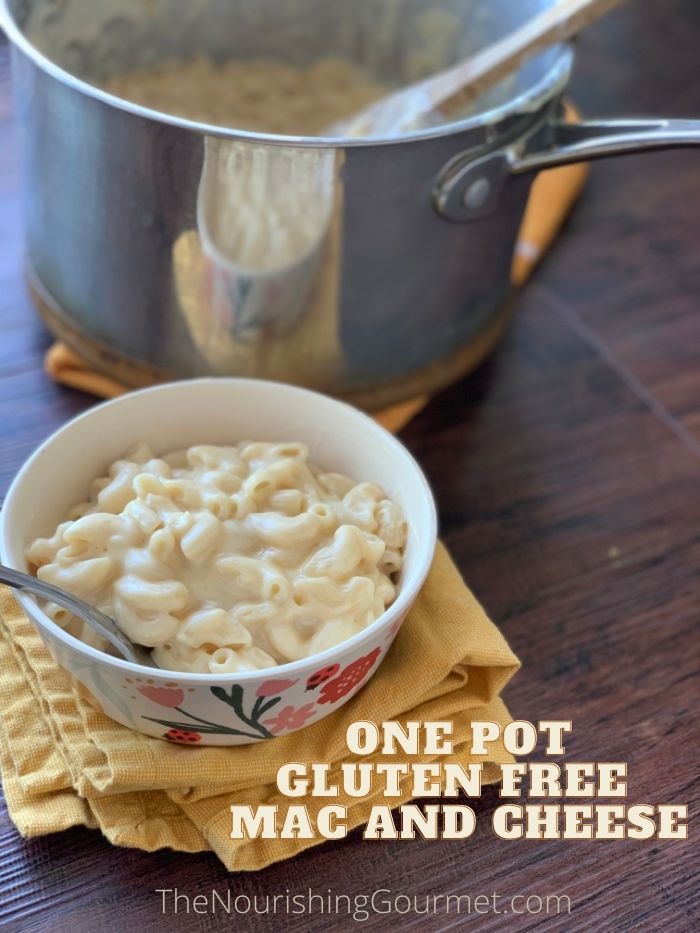
One-Pot Gluten-Free Mac and Cheese

December 2, 2021 by KimiHarris 5 Comments

This one-pot super creamy and delicious gluten-free mac and cheese is finished in less than 15 minutes. It’s so simple! 

My kids aren’t really into sandwiches, unfortunately, but this pasta dish is something they love as a last-minute meal. If my husband has an evening meeting, and I’m eating a dairy-free (THM) meal, I can whip this together with minimum fuss. Since I homeschool our kids currently, they also ask for it for lunch. 

You only need a few basic ingredients: Milk (I use whole), chicken broth, pasta, cheese, and salt. That’s it! 

How it works: Instead of boiling the pasta in water and making a cheese sauce, this recipe boils the pasta in the chicken broth and milk, and the starch released from the pasta thickens the sauce as it cooks. It’s a little magical. To compare it to a more traditional mac and cheese method, check out this recipe (also gluten-free, but using goat cheese!).

Notes: 

  • You can have fun trying this with different cheeses. Our favorite so far is half Colby Jake and half Pepper Jake. Yum! 
  • You can use all milk instead of half broth. I love my homemade broth, so this is a chance to get some more in. But I also think the flavor is better and more complex with half broth. If you are using homemade do pre-salt it, otherwise it will be too bland. 
  • Pick a gluten-free pasta brand you know stays together well for this recipe, and cook until just tender. Because different brands may vary in how much starch they give off, you may need to adjust the amount of liquid if it ends up too liquidy. Just remember that you can give it a quick boil at the end to remove excess liquid, if necessary.  

One-Pot Gluten-Free Mac and Cheese

  • 12 oz dry gluten-free pasta (shells, elbows, or other short pasta) (about 4 cups of dry pasta) I tested this with Field Day Gluten-free Brown Rice pasta
  • 2 cups of whole milk 
  • 2 cups of chicken broth (homemade or storebought) 
  • 2 teaspoon salt 
  • 2 cups of shredded cheese (my kids like Colby, or one of our favorites, Pepper Jack! I like to use half of each. Use cheddar for a more traditional flavor)

Directions

Place the pasta, milk, chicken broth, and salt in a medium or large pot. Bring to a low simmer, and simmer until just tender (for the brand of brown rice pasta I use, that took about 7-10 minutes. Look at the package and follow their time suggestions). 

Because you are using less liquid, you will need to stir more often to make sure the pasta isn’t sticking on the bottom of the pan. Not quite constantly, but pretty often, especially as it begins to cook. 

Once the pasta is getting close to being done, you can turn up the heat a little to boil away any extra moisture there is, if necessary (again, making sure you don’t let the pasta stick on the bottom of the pan). When it looks thick enough to be a sauce-y mac and cheese, turn off the heat, and add your cheese. Stir in (it should melt easily), and let sit for a minute or two, and serve! The sauce will continue to thicken as it sits.

Filed Under: Uncategorized

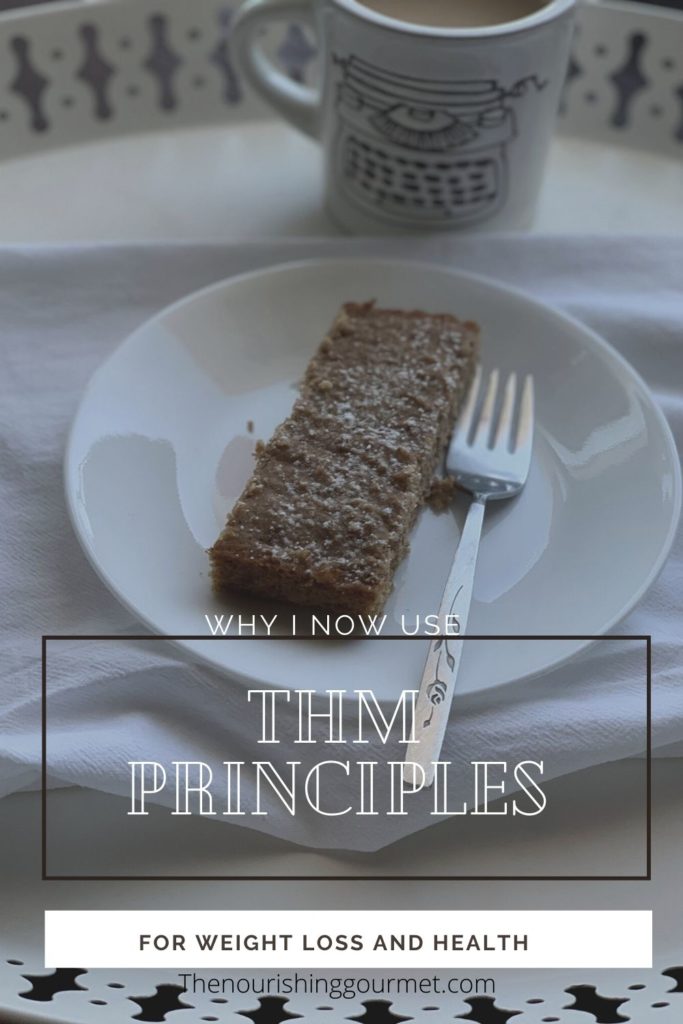
Why I Use THM Principles Now

July 17, 2021 by KimiHarris Leave a Comment

I know that it has been a surprise to some of my long-term readers that I now use THM principles. It was a surprise to me as well! When I was first introduced to THM, I was glad that others found it helpful, but it seemed overly complicated (just being honest, here). I also didn’t really need it. I was at a healthy weight. I ate healthy food. And there was no reason to change what worked well for me. 

Fast forward, and I had a huge health crisis caused by mold exposure and a mix of other health concerns and stressors. I was extremely ill and extremely inflamed. That inflammation caused weight gain, despite not changing anything about how I ate. 

I had to work extremely hard to get better again, and my family had to make many sacrifices to make that possible. That’s a long story, and I’m so thankful to have regained my health. But once I had improved, I had assumed that my weight would go back to a healthy weight again, and that just wasn’t happening. 

So I tried keto, and I tried intermittent fasting. I read the research and I was encouraged. But my practical experience was that it did seem to help, at least temporarily, with some of my inflammation, but I lost my energy eating that way. It also appeared to slow my metabolism even more, and crazily enough, I didn’t lose weight on it either. Others feel amazing on a keto diet or when using intermittent fasting principles, but my body seemed to just get stressed on it instead. 

It was then that I remembered THM, and I thought, “Why not?” I decided to try a two-week THM trial, and see how I felt on it and how sustainable it would be for me. I noticed such a difference in just those two weeks; I knew I had to continue.

What Sets THM Apart

One of the primary principles of THM is separating your fuels. The body uses either fats or glucose for energy, but when you stack those fuels together, our bodies can’t efficiently burn through them, and you end up with weight gain. 

This would be why mashed potatoes, French fries, heavily buttered bread, and rich curries over white rice can cause some of us to gain weight. They are giving you a lot of carbohydrates (glucose) with fats. 


The keto diet allows you to burn primarily fat as your fuel source, so it does “separate” the fuel sources, but simply by eliminating one of them. 

Keto and Healthy Carbohydrates

But for some of us, being off healthy carbohydrates long-term ends up messing with our hormones and thyroid/adrenal health, which is why many of us feel so tired when eating a low-carb diet and end up with stalled weight loss or even weight gain over time. 

On THM, you eat both fuels (slow carbohydrates and fats), but not together. 

While you concentrate on getting high-quality protein and vegetables in, you eat the majority of your meals with the two fuels separate from each other. This looks like having some meals look very much like a keto meal, but with more freedom with your vegetables and a concentration on protein, rather than fat (though you still eat plenty of fats with these meals). Then you switch to a meal that has slow carbohydrates (sweet potatoes, quinoa, brown rice, fruit, etc.), lean protein, and vegetables, with only a small amount of fat. 

This switching back and forth between the fuels for the body, coupled with eating every 3-4 hours, ended up being highly effective for me. 

My Experience and Results

I lost over 30 pounds, regained my energy, and my metabolism turned back on again. I also lost a lot of the premature aging in my face that had occurred while sick because of inflammation. But it wasn’t just about vanity either. 

Because adding more foods back into my diet (instead of taking them out, such as when on the keto diet), along with separating my fuels, ended up being really helpful for my gut health. Instead of feeling weighed down after I ate because of my sluggish metabolism and gut, I started feeling energized by my meals again. I also was loving all of the delicious meals I could make on the plan.

Much to my surprise, I also found that I could add back in problematic foods too, such as oats, which had caused rather severe issues for me in the past. (I have a theory for why this happened, and it’s related to the impact on our gut health of getting higher amounts of fiber from a variety of sources, something I shared in the free webinar that I hope to offer again soon). 

Getting off excessive weight while being able to eat a wide variety of fiber-rich foods (many of which weren’t allowed on the keto diet) did also help my continued healing journey. It reduced my chronic low-grade inflammation as well. Because weight issues feed into inflammation issues, getting back to a healthy weight helped turn the vicious cycle into a positive cycle, and I’m grateful. 

My Conclusion

The THM umbrella is large, meaning that people use the THM principles, but their meals can look very different from each other. I choose to eat it with a concentration of real food, along with principles I’ve learned from other experts such as Dr. Wahls, and Julia Ross. This combination has made a huge difference in my life. 

It has also helped me regain my joy in both cooking and in what I eat. I so enjoy being able to bake whole grain gluten-free bread again, as well as eat a variety of healthy carbohydrates without feeling like I’m not eating optimally for my health. (For an example of a slow-carb meal, see this Vietnamese Beef Noodle Salad or the Mexican Chicken Bowl on this recipe. For an example of a fat-fueled meal, see this carnitas recipe.)

There are other dietary eating plans that essentially separate fuels in a similar way as THM, but I’ve found THM the most flexible and doable. That flexibility has allowed me to use their principles in the way that is most helpful for healing and weight loss for me personally. 

I will say that, yes, there is a learning curve to eating this way. My initial reaction of thinking THM was more complicated than other dietary plans was correct. But, not only has learning how to eat THM been well worth the effort for me, but it’s also very easy for me to eat this way now.

 If you put some time into learning how to eat with your fuels separated, it does become second nature over time. 

All of this led to me deciding to coach others on how to use THM principles while concentrating on the healing, real foods. And I’ve loved every minute of it. You can read about that here.

To get the full scoop on THM, two books that give you a great head start are:

  • Trim Healthy Mama Plan (This short book gives you just the plan, and helps you understand what principles you need to follow and why.) 
  • Trim Healthy Table (This cookbook gives an great overview of the plan, in short form, as well as a lot of recipes.)

Filed Under: Uncategorized

Next Page »

Primary Sidebar

Follow Me

  • Facebook
  • Instagram
  • Pinterest
  • RSS

Search

Please Read:

The information you find here at The Nourishing Gourmet is meant to help you become a better cook! This site is primarily for sharing family friendly recipes. It's not meant to give medical advice or to make any health claims on the prevention or curing of diseases.This site is only for informational and educational purposes. Please discuss with your own, qualified health care provider before adding in supplements or making any changes in your diet. Also, any links to sponsors or affiliates (including Amazon) may give me a percentage of the sale or a pay per click. Thank you for supporting this site.

Categories

  • $10 Main (43)
  • $5 Dishes (43)
  • 52 ways to save money on a healthy diet (53)
  • AIP (23)
  • Baked Goods (84)
  • Beverages (72)
  • Breakfast and Brunch (63)
  • Condiments (8)
  • Dairy Free (498)
  • Desserts (185)
  • Dietary Needs (6)
  • Egg Free (14)
  • Egg Free (92)
  • For the Kids (70)
  • For the Love of Food and Books (18)
  • Gluten Free (491)
  • Grain Free (98)
  • Health (75)
  • Kitchen Tools (5)
  • Main Dishes (128)
  • Nourishing Frugal Recipes (169)
  • Nourishing Frugal Tips (70)
  • Nourishing Practices (57)
  • Nutrient Dense Foods (70)
  • Q and A (16)
  • Salads (40)
  • Sides (104)
  • Snacks (126)
  • Soups (50)
  • The Healthy $1 Menu (21)
  • The Low Energy Guide to Healthy Cooking (20)
  • THM (5)
  • Trim Healthy Mama (5)
  • Uncategorized (848)
  • Vegan (243)
  • Vegetarian (363)

Recent Posts

  • Eating for Comfort and Sustenance
  • Perfect Instant Pot Black and Brown Rice
  • What Worked and What Didn’t in My Cooking Life Last Year
  • Mocha Dark Chocolate Bombs (low sugar)
  • Gingerbread Caramel Corn
  • Thyme and Garlic Potato Stacks
  • The Great Big Holiday Salad
  • 30 Favorite Kitchen Stocking Stuffers
  • Luxurious DIY Lip Balm
  • Spicy Korean Beef and Cabbage

Recent Comments

  • June on One-Pot Gluten-Free Mac and Cheese
  • Kim on Eating for Comfort and Sustenance
  • Michelle Sanders on Chile-Spiked Dark Chocolate Bark with Pepitas & Mango (Dairy Free)
  • KimiHarris on Eating for Comfort and Sustenance
  • KimiHarris on Eating for Comfort and Sustenance

Fresh: Nourishing Salads for All Seasons

Footer

Privacy

Copyright © 2026 · Foodie Pro & The Genesis Framework